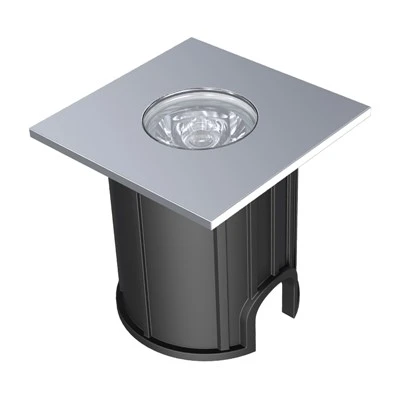
Living room, kitchen, and bedroom lamps typically have at least four or more. Lighting installation in home renovations requires meticulous attention, as they are designed for long-term use and must be protected from damage that could disrupt family life.
1. Before installation, the lamps and their accessories must be complete and free of mechanical damage, deformation, paint peeling, cracked lampshades, and other defects.
2. The minimum cross-section of the wire core leading to each lamp must comply with relevant regulations and standards, depending on the installation location and intended use.
3. When installing electrical lighting fixtures in masonry structures, use embedded hooks, bolts, screws, expansion bolts, nylon plugs, or plastic plugs for securing. The use of wooden wedges is strictly prohibited. If the design does not specify, the load-bearing capacity of the aforementioned fixings must be commensurate with the weight of the electrical lighting fixture.
4. In locations with high or special hazards, when the fixture is less than 2.4 meters above the ground, use a lighting fixture rated at 36 volts or less, or implement protective measures. Lighting fixtures must not be installed directly on flammable objects. When high-temperature areas of a lighting fixture are near flammable materials, insulation and heat dissipation measures must be implemented. Lighting fixtures should not be installed directly above high-voltage and low-voltage distribution equipment or busbars within a substation. Outdoor lighting fixtures should be installed at least 3 meters above the ground; when mounted on a wall, the height should be no less than 2.5 meters.

 English
- English
- Français
- Deutsch
- 日本語
- Italiano
- Español
- Português
- русский
- Bai Miaowen
- slovenčina
- Polski
- Melayu
- hrvatski
- Eesti
- Български
- dansk
- slovenščina
- Việt Nam
- magyar
- Norsk
- íslenska
- বাংলা
- Čeština
- عربي
- România limbi
- Latviešu
- ไทย
- bosanski
- 한국어
- suomi
- Malti
- Ελληνικά
- Gaeilgenah Éireann
- Svenska
- עברית
- Türkçe
- Indonesia
- Lietuvių
- Català
- українська
- اردو
- हिंदी
- Kreyòl Ayisyen
- Cymraeg
- فارسی
- Nederlands